Discover the best Kirby Plugins
Featured

 Tobias Möritz
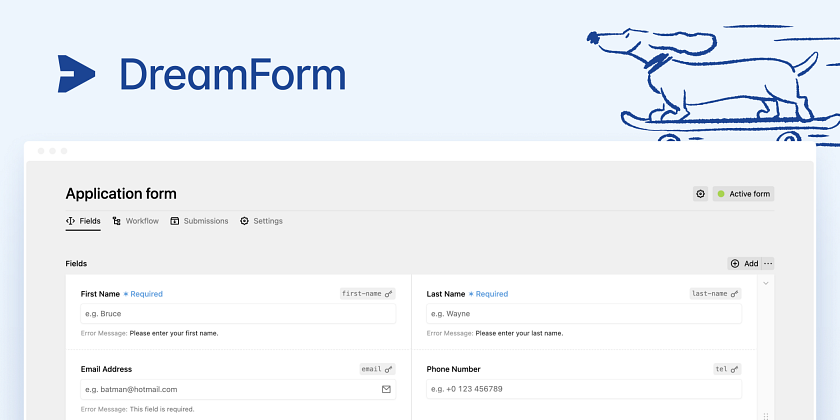
DreamForm
The form builder plugin that makes forms just work like magic. Build single or multi-step forms in the panel, create Zapier-like submission …
Staff picks
-
 Tobias Möritz
Inertia Adapter
Create server-side rendered SPAs with Kirby, Inertia.js and your favourite framework.
-
 hana+nils
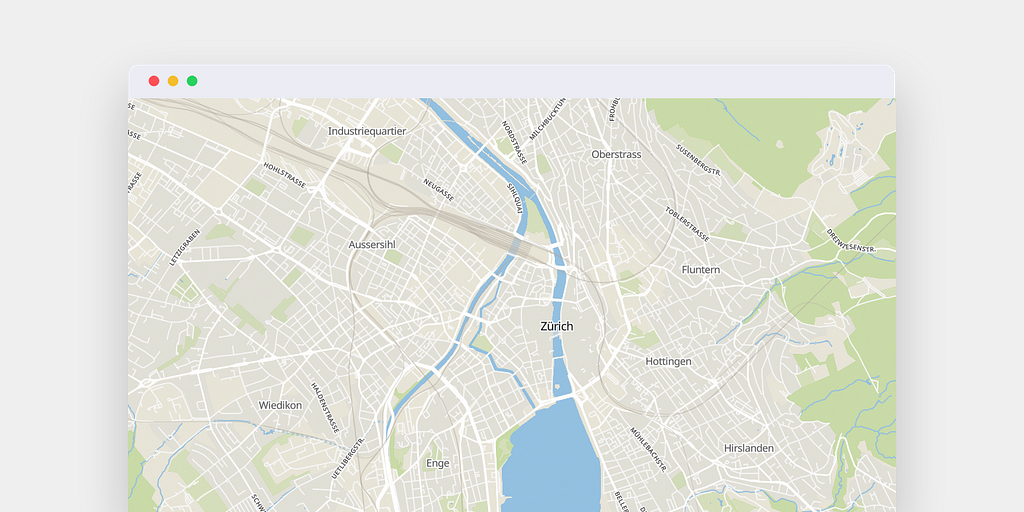
Tiles
Tiles is a plugin to serve basic vector map tiles (.mbtiles). The plugin provides routes for styles, tilejson and vector tiles that can be u…
-

 wearejust
Twig Templates
Add support for Twig templates to your Kirby installation
-
 Maurice Renck
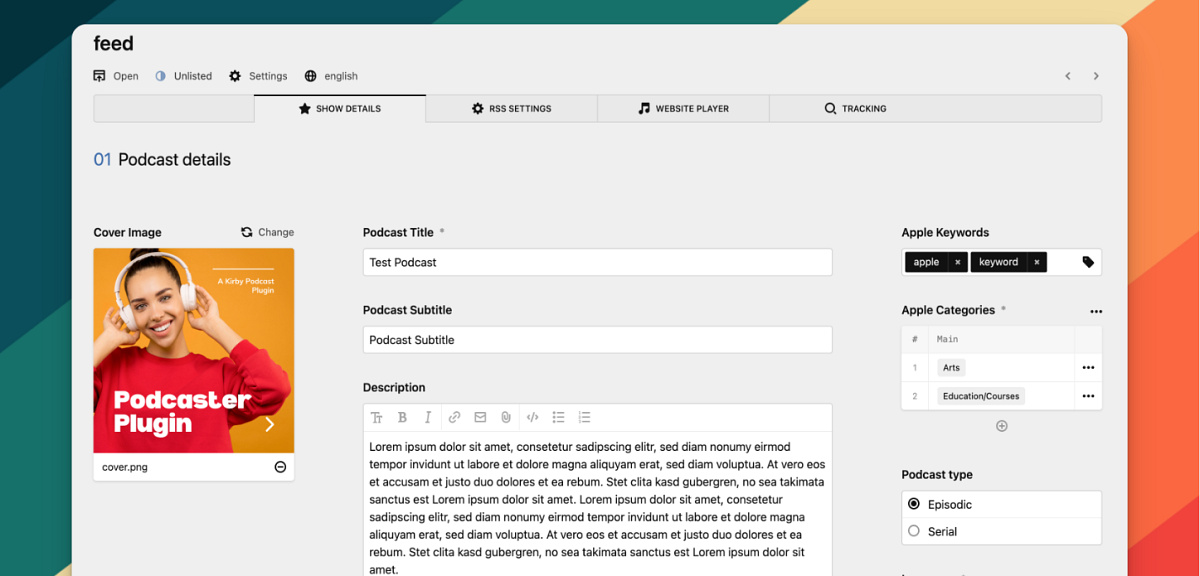
Podcaster
Podcaster is a complete solution for publishing your podcast. Podcaster has you covered with simple and easy feed management, detailed analy…
-
 Johann Schopplich
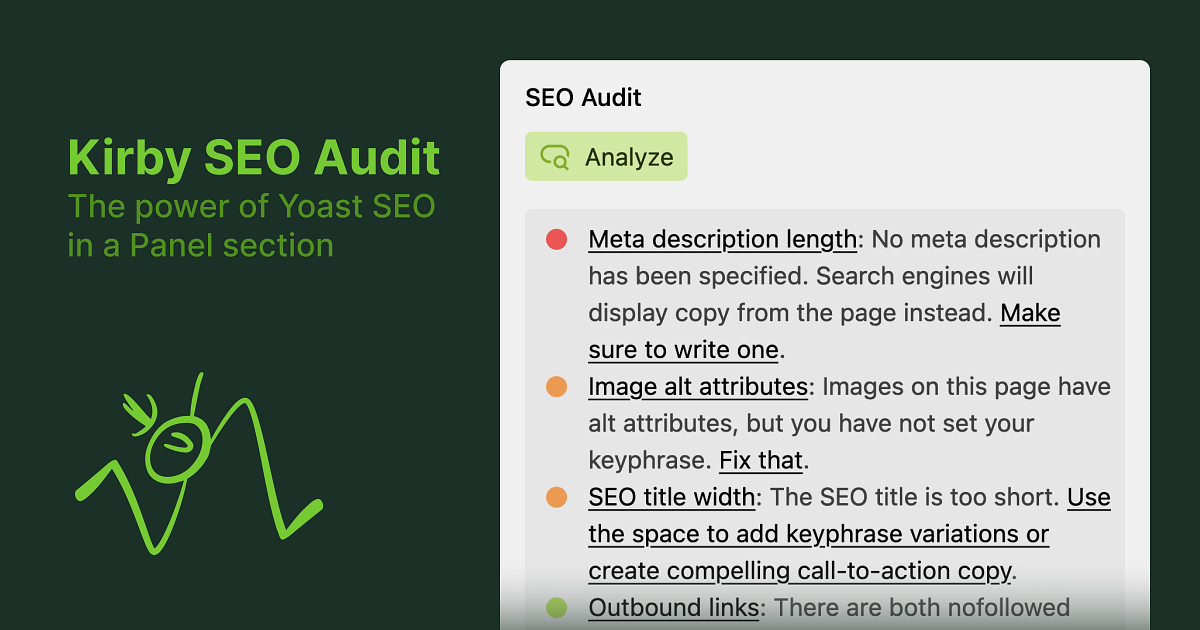
SEO Audit
SEO analysis like Yoast SEO, right from the Panel. Privacy first, no external services.
-
 Johann Schopplich
Nuxt KQL
Nuxt 3 module for Kirby's Query Language API


Most starred
- Uniform A versatile Kirby plugin to handle web form actions.
- Markdown Field Super-sophisticated markdown editor for Kirby 4
- Kirby Query Language (KQL) Kirby Query Language
- Static Site Generator Static site generator plugin for Kirby 3+
- Retour Manage redirects and track 404s right from the Kirby CMS Panel
- Git Content Plugin to track changes to content in a git repository.
New plugins
-

-
-


Top Free Plugins
- Retour Manage redirects and track 404s right from the Kirby CMS Panel
- Git Shows you Git changes in the Kirby panel and allows you to add/commit/push them, manually or automatically.
- Markdown Field Super-sophisticated markdown editor for Kirby 4
- Annotator Place pins / define zones on an image synced with a structure field
- Locator A map & geolocation field, built on top of open-source services / Mapbox
- Uniform A versatile Kirby plugin to handle web form actions.
- Git Content Plugin to track changes to content in a git repository.
- Static Site Generator Static site generator plugin for Kirby 3+
- Staticache Static site performance on demand
- Kirby Query Language (KQL) Kirby Query Language
Top Paid Plugins
- DreamForm Kirby DreamForm is an opiniated form builder plugin for Kirby CMS 4+ that makes forms work like magic
- Merx A toolkit to create online shops with Kirby
- Copilot AI-powered content generation with support for ima…
- Form Block Suite Contactform based on Kirby blocks.
- Klub With Kirby Klub your customers will become members…
- SEO Audit SEO analysis like Yoast SEO, right from the Panel.…
- Components Brings blueprints and snippets to one place.
- Live Preview Real-time preview of unsaved changes right in the …
- Accordion Field Collapses the content below headlines in the Panel…
- Google Translate Google Translate integration for Kirby
Recent updates
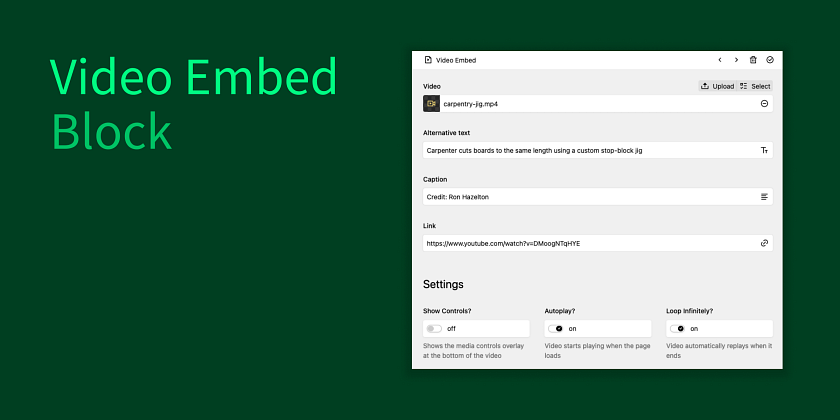
- Video Embed Block Upload and embed a video file using a new `video-e…
- Form Block Suite Contactform based on Kirby blocks.
- Retour Manage redirects and track 404s right from the Kirby CMS Panel
- Auto File Templates Automatically assign file templates on upload based on the file type
- Algolia DocSearch Algolia DocSearch plugin for Kirby CMS
- DreamForm Kirby DreamForm is an opiniated form builder plugin for Kirby CMS 4+ that makes forms work like magic